

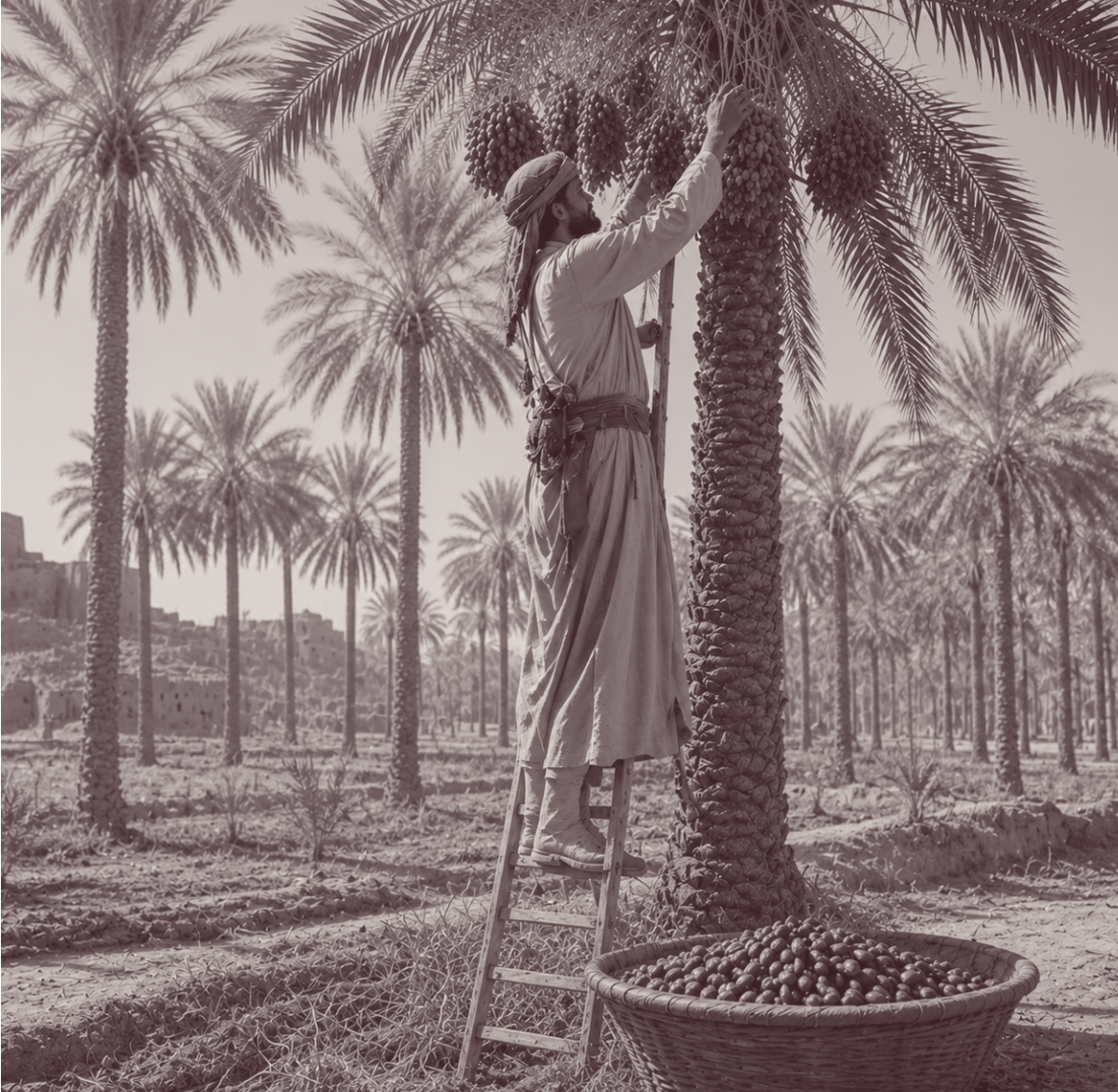
The Palm & Dates Value Chain in Hadhramaut: Reviving Demand for a Heritage Crop
The short URL of the present article is: https://coreinsightsconsults.com/tr8f
Related Posts
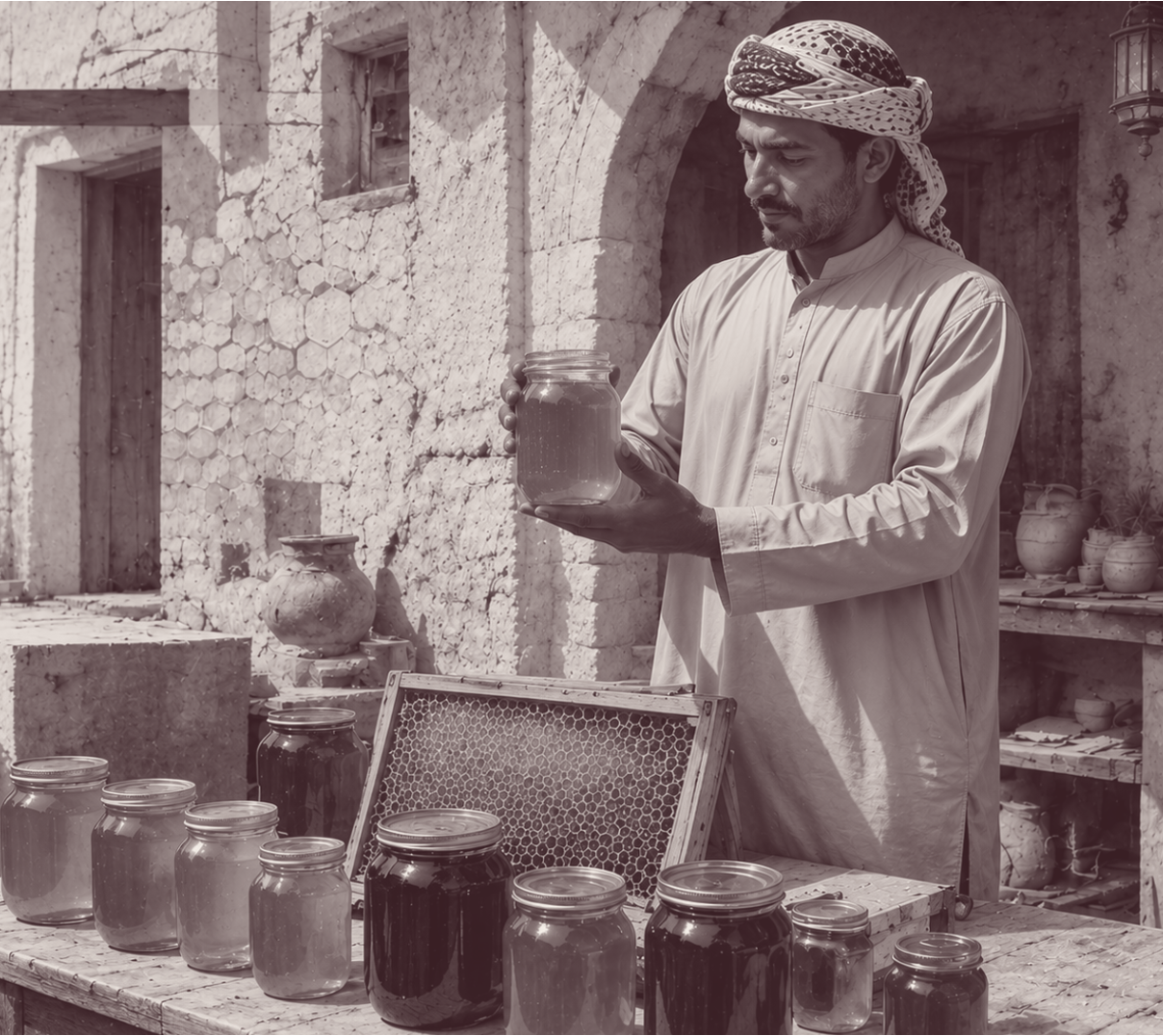
The Honey Value Chain in Hadhramaut: Capturing the True Value of Yemen’s Most Celebrated Product
Hadhrami Sidr honey is renowned worldwide, yet the beekeeper who produces it earns a fraction of its final price, and official exports record only part of what actually leaves the governorate. This report distils the sector’s own diagnosis — not a product problem, but a value-capture problem — and seventeen practical actions to fix it.
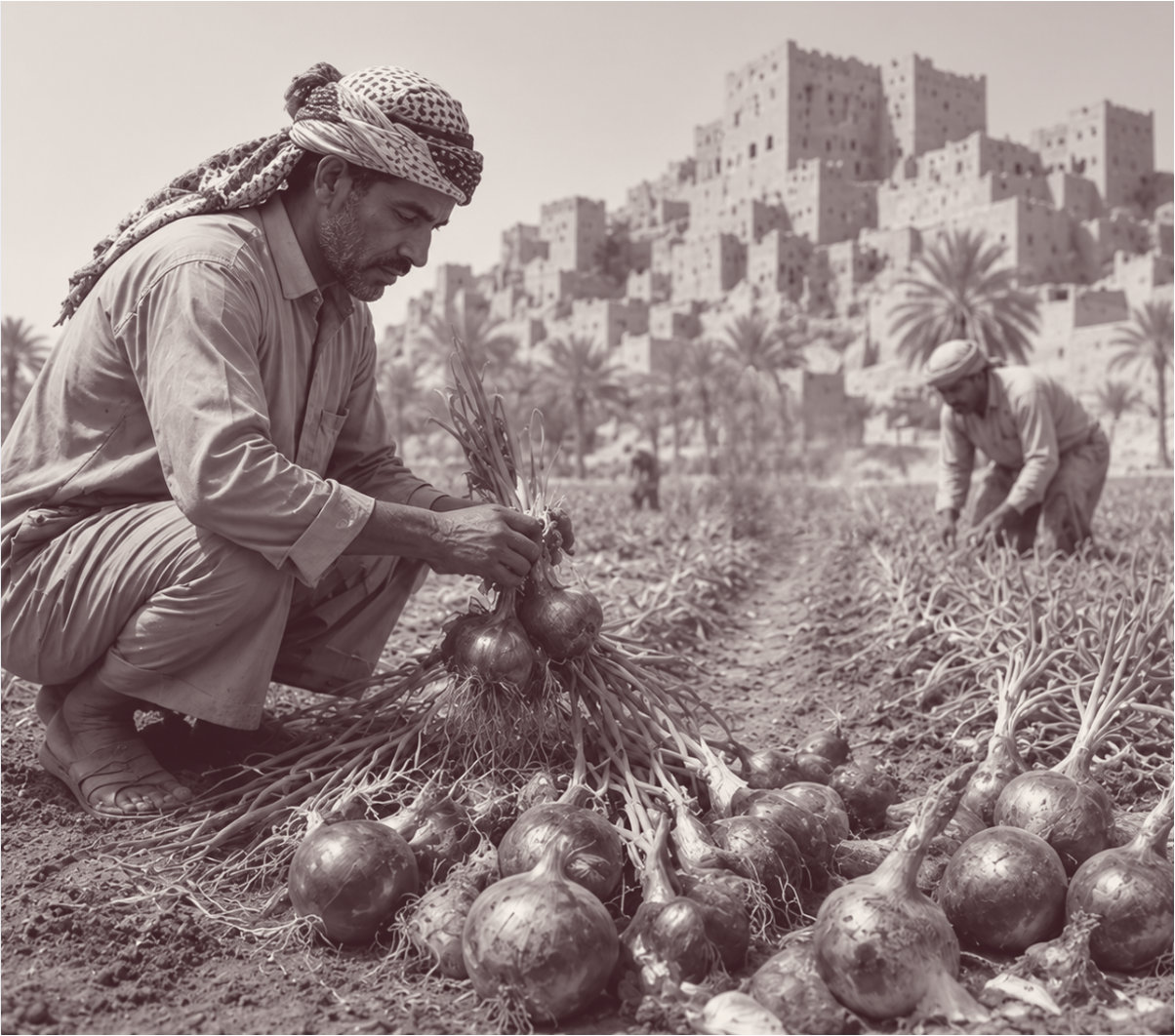
The Onion Value Chain in Hadhramaut: Unlocking the Revenue Potential of a Flagship Crop
Hadhramaut’s prized Bafatim onion reaches markets across the Gulf, yet close to a third of every harvest is lost after the field and farmers retain only 40 per cent of the crop’s final value. This session report captures what farmers, traders, exporters and government stakeholders agreed must change — and the priorities they set for reform.