


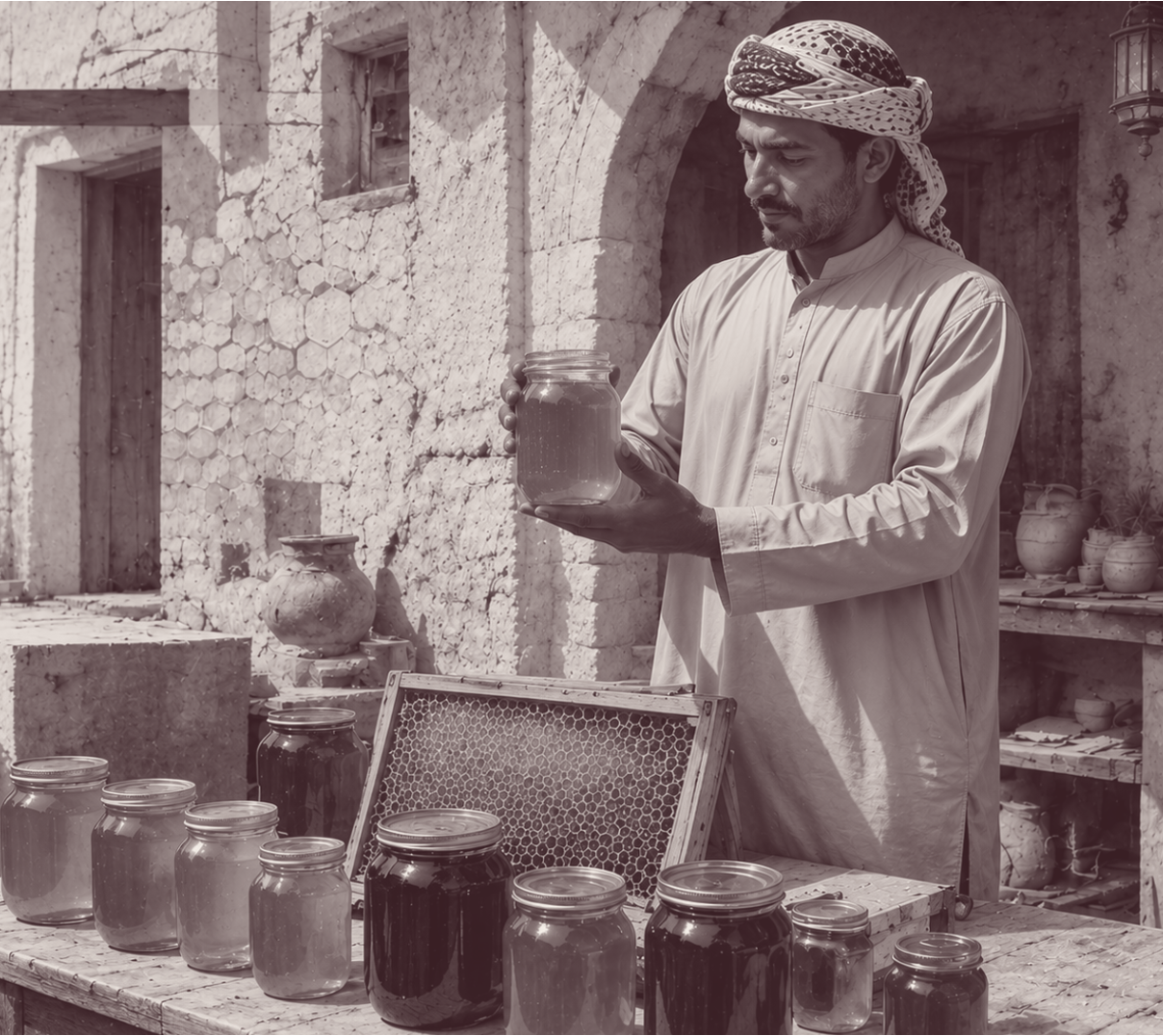
The Honey Value Chain in Hadhramaut: Capturing the True Value of Yemen’s Most Celebrated Product
Hadhrami Sidr honey is renowned worldwide, yet the beekeeper who produces it earns a fraction of its final price, and official exports record only part of what actually leaves the governorate. This report distils the sector’s own diagnosis — not a product problem, but a value-capture problem — and seventeen practical actions to fix it.
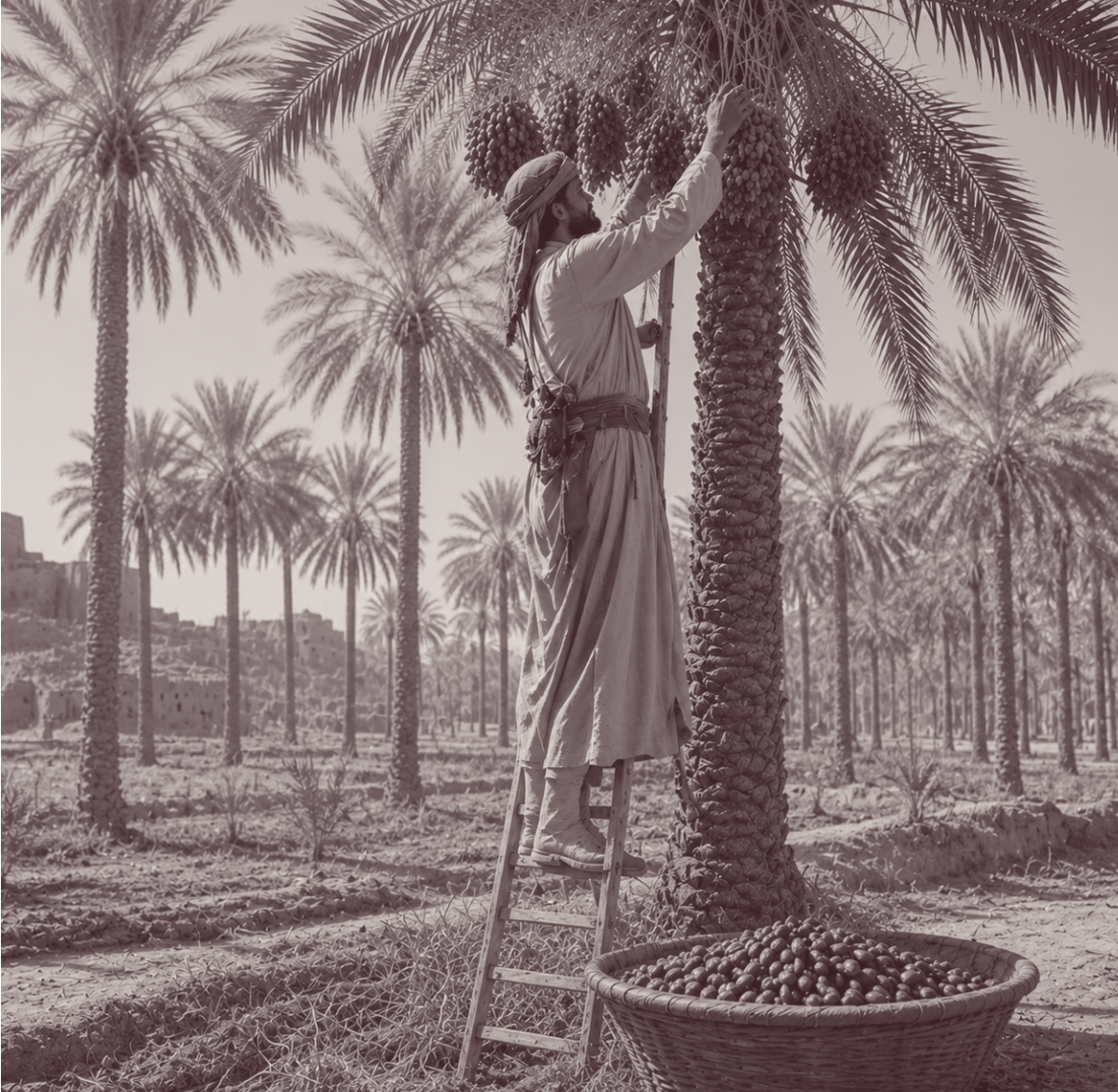
The Palm & Dates Value Chain in Hadhramaut: Reviving Demand for a Heritage Crop
Hadhramaut’s palms yield a fraction of their potential while imported dates — 48,187 tonnes in 2025 alone — displace local produce even in its home market. This session report sets out how farmers, traders, processors and government propose to protect, modernise and market one of the governorate’s oldest sources of livelihood.
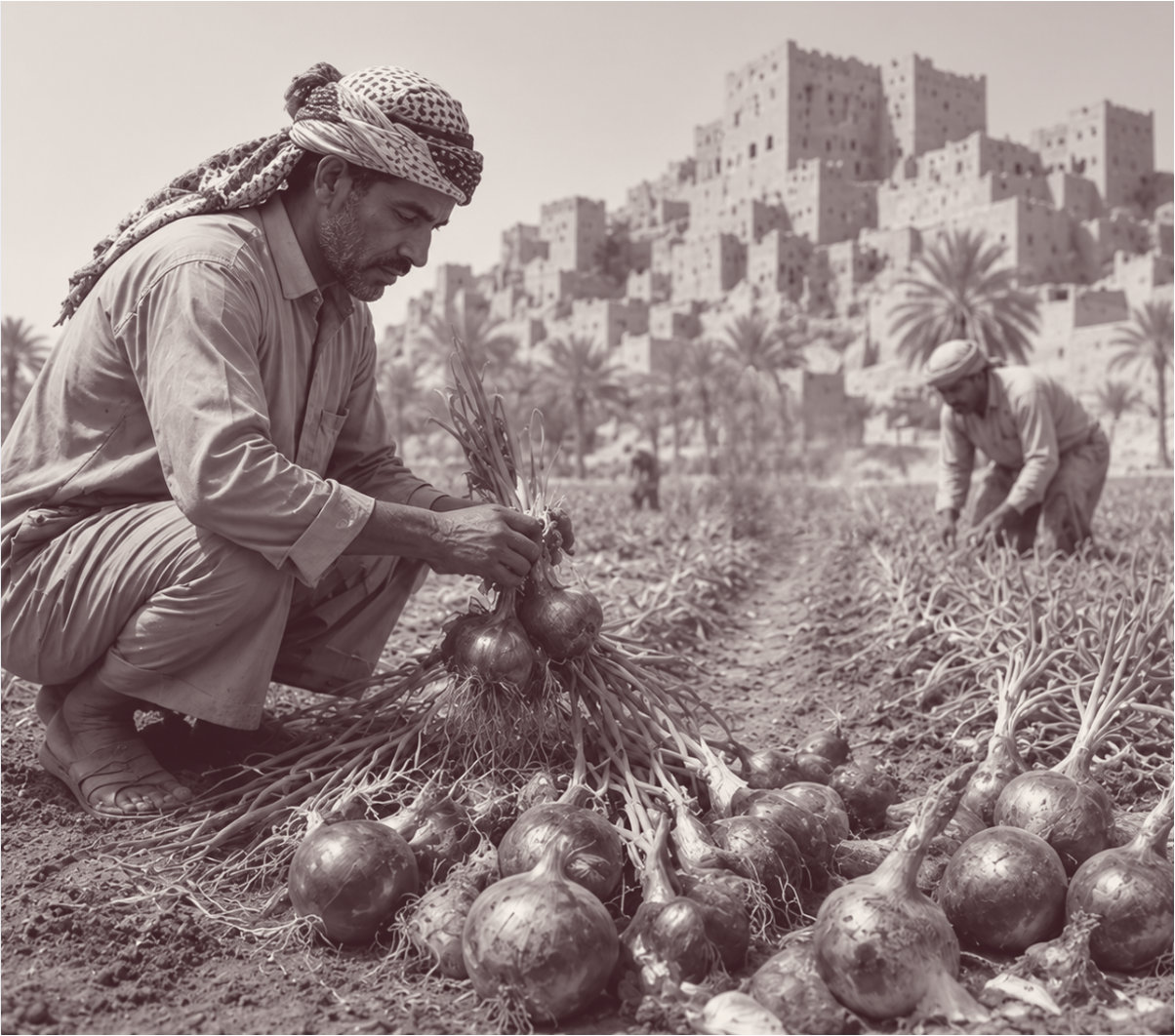
The Onion Value Chain in Hadhramaut: Unlocking the Revenue Potential of a Flagship Crop
Hadhramaut’s prized Bafatim onion reaches markets across the Gulf, yet close to a third of every harvest is lost after the field and farmers retain only 40 per cent of the crop’s final value. This session report captures what farmers, traders, exporters and government stakeholders agreed must change — and the priorities they set for reform.
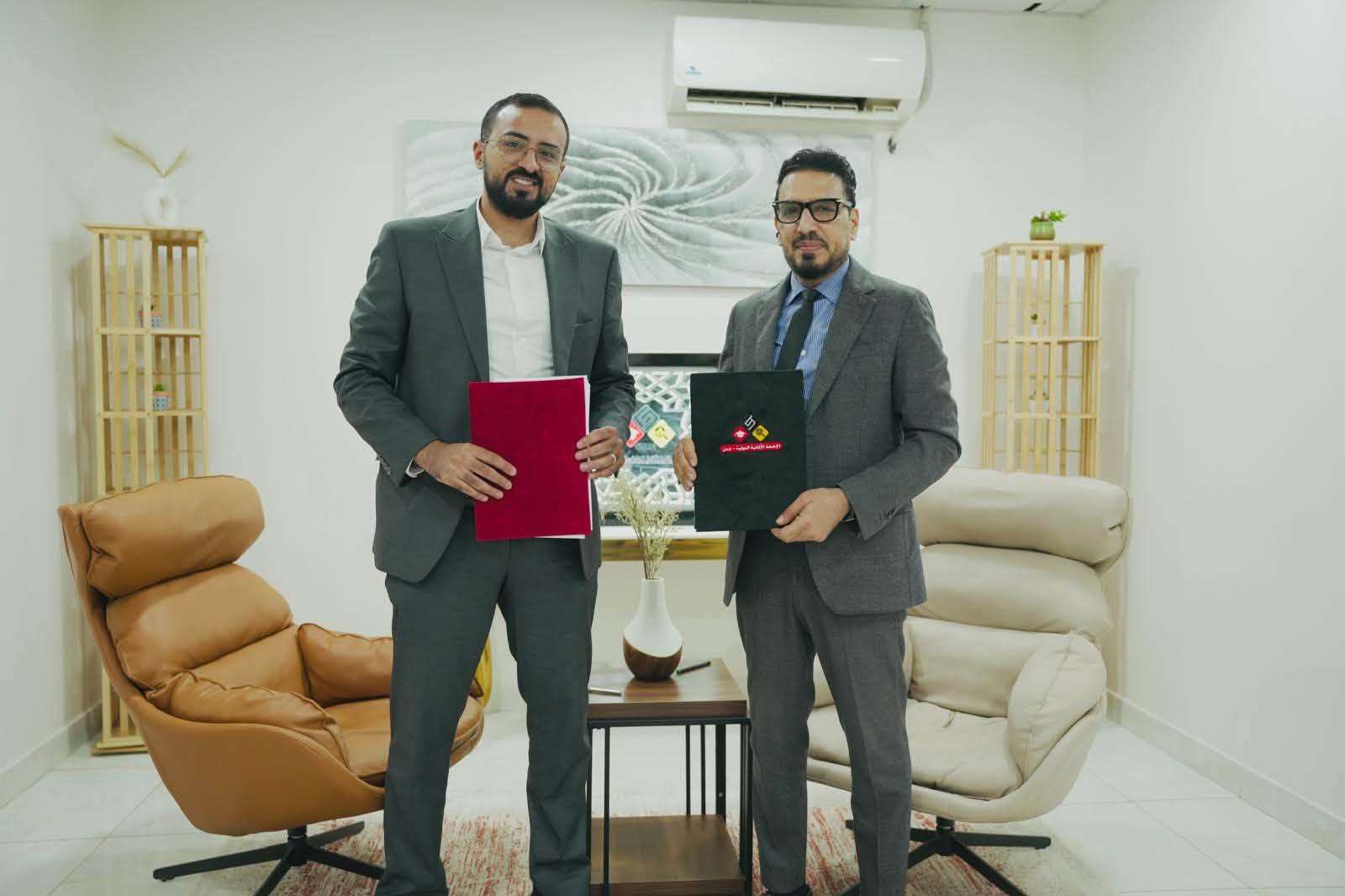
Partnership Announcement | Core Insights Consulting × Aden German International University
Partnership Announcement | Core Insights Consulting × Aden German International University
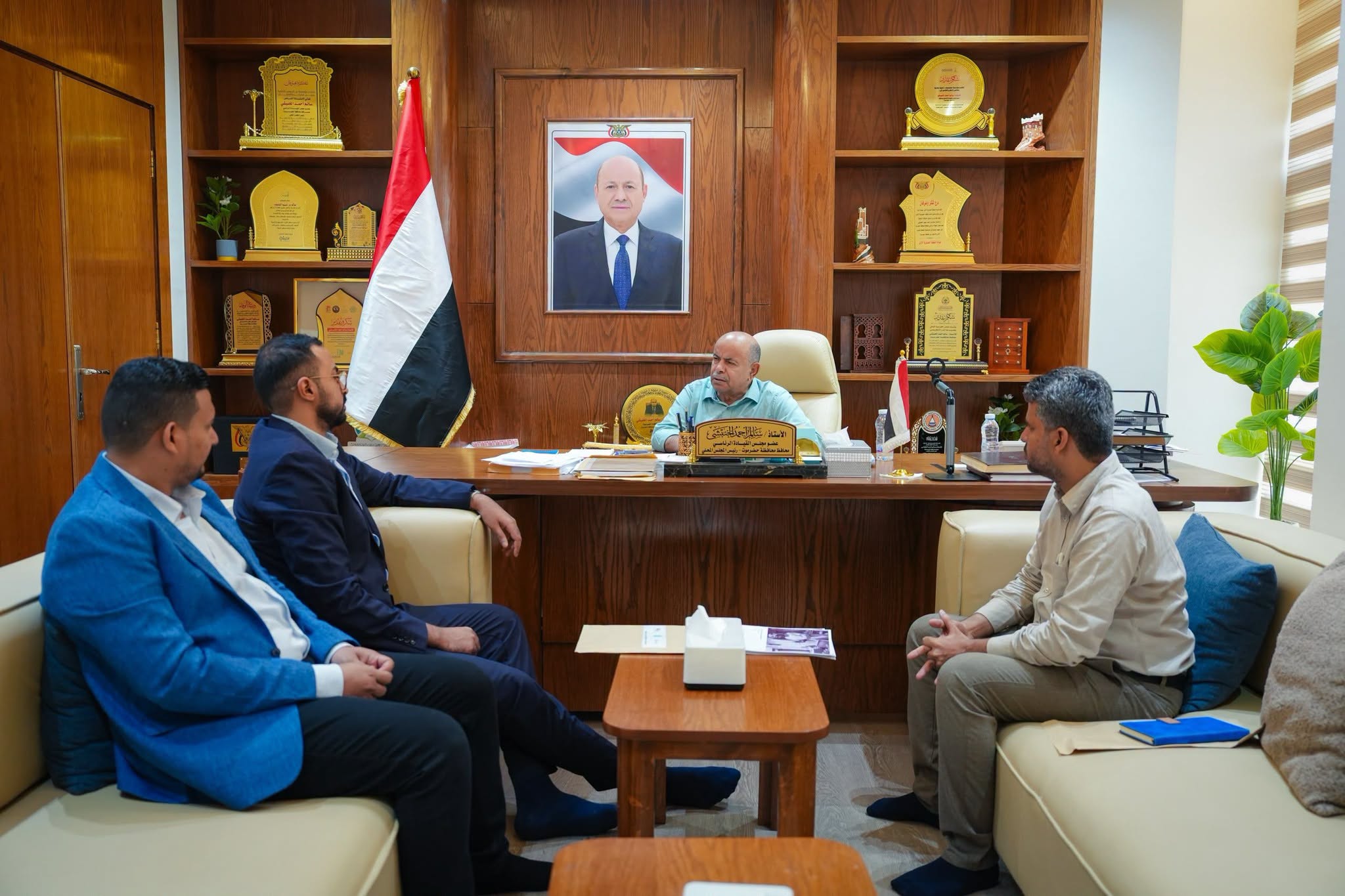
Member of the Presidential Leadership Council Affirms Importance of Developing Agricultural Production and Marketing, Enhancing Quality
Member of the Presidential Leadership Council and Governor of Hadhramout, Mr. Salem Ahmed Al-Khanbashi, affirmed the importance of developing the production and marketing of targeted agricultural products in Hadhramout and other governorates, in a way that contributes to raising the efficiency of the agricultural sector and strengthening its contribution to economic development.
This came during a meeting held this morning in Mukalla with Mundher Mubarak, CEO of Core Insights Consulting, and Majed Al-Hajj, Yemen Aid's Yemen Office Director, in the presence of Abdullah Al-Awbathani, Director General of the Ministry of Agriculture and Irrigation Office in Hadhramout Coast, to discuss the initiative to boost agricultural sector revenues in Hadhramout.
Al-Khanbashi emphasized the need to focus on the quality of agricultural production and improving its efficiency, in a manner that achieves a balance between export requirements to neighboring countries and meeting local market needs, while contributing to enhanced revenues for the agricultural sector.
The meeting discussed ways to develop the production and marketing of targeted agricultural products, and the challenges facing farmers, in addition to developing value chains for onion, palm, dates, and honey products, and identifying priority interventions.
In this context, Al-Khanbashi reiterated the importance of integrating the efforts of government bodies with donor organizations to implement priority interventions and achieve sustainable agricultural development in Hadhramout.
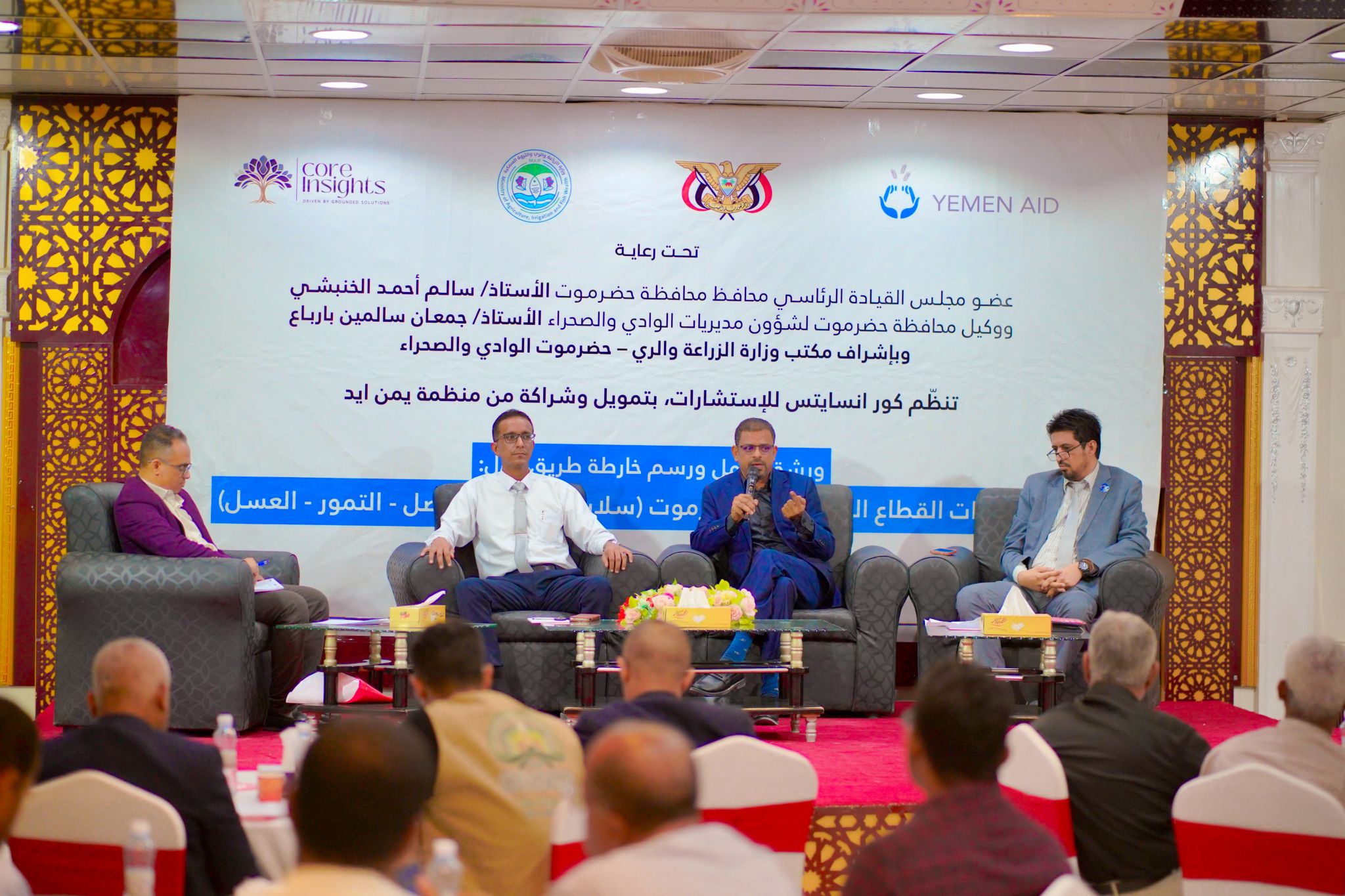
Main Workshop of the “Developing Agricultural Revenues in Hadramout”
On July 5th, Core Insights Consulting concluded the Main Workshop of the "Developing Agricultural Revenues in Hadramout" Initiative, marking the culmination of a participatory process that brought together government institutions, farmers, agricultural associations, traders, exporters, researchers, and development partners.
Implemented with support from Yemen Aid and in partnership with the Office of the Ministry of Agriculture, Irrigation and Fisheries in Hadramout, the initiative focused on three strategic agricultural value chains: onions, dates, and honey.
Building on three sector-specific focus group discussions, the workshop produced evidence-based roadmaps that identify priority challenges, practical interventions, and opportunities to strengthen agricultural competitiveness, increase local revenues, and support sustainable economic development in Hadramout.
At Core Insights Consulting, we believe lasting development begins with informed dialogue, local ownership, and practical solutions grounded in evidence.
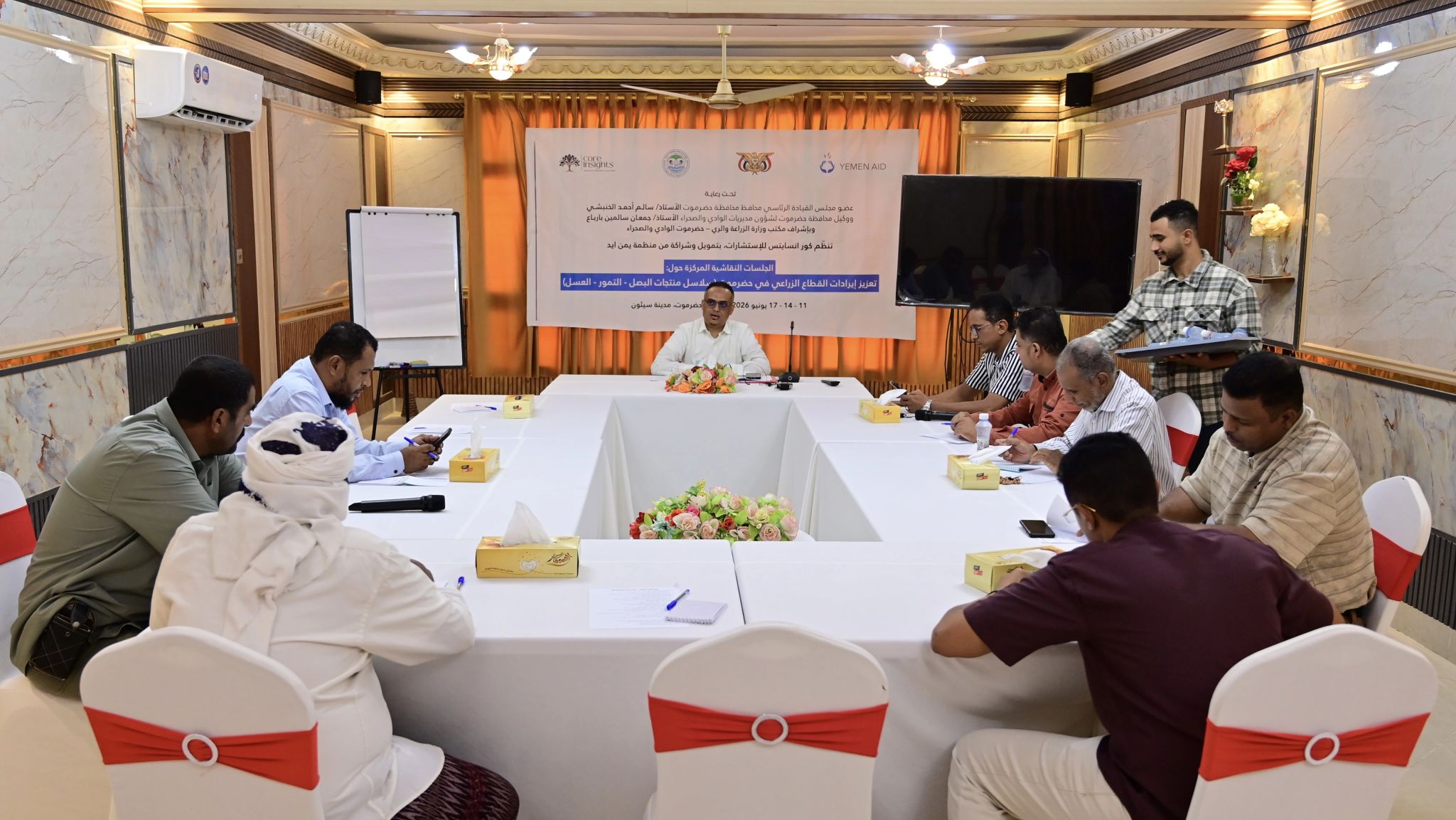
Second focused group discussion under the Strengthening Agricultural Sector Revenues initiative in Hadramout
Core Insights Consulting held its second focus group discussion under the Strengthening Agricultural Sector Revenues initiative in Seiyun, Hadhramaut — implemented by Core Insights with funding from Yemen Aid.
The session brought together government, the private sector, farmers, agricultural associations, and sector experts around Hadhramaut's flagship crop: the palm and dates value chain — a pillar of local heritage, food security, and livelihoods.
Participants examined a value chain built on more than 40 local date varieties, yet held back by weak productivity, ageing orchards, rising input costs, and growing pressure from imported dates. The discussion converged on a shared set of priorities: regulating imports, opening export markets, improving orchard management and processing, and tailoring finance to the palm's long production cycle.
These findings will feed into evidence-based policy recommendations, to be presented at the final workshop in July and shared with stakeholders to support informed decision-making and sustainable sector development.
At Core Insights, we believe sustainable economic development begins with understanding challenges and opportunities through the eyes of local stakeholders — and turning local knowledge into practical solutions that last.
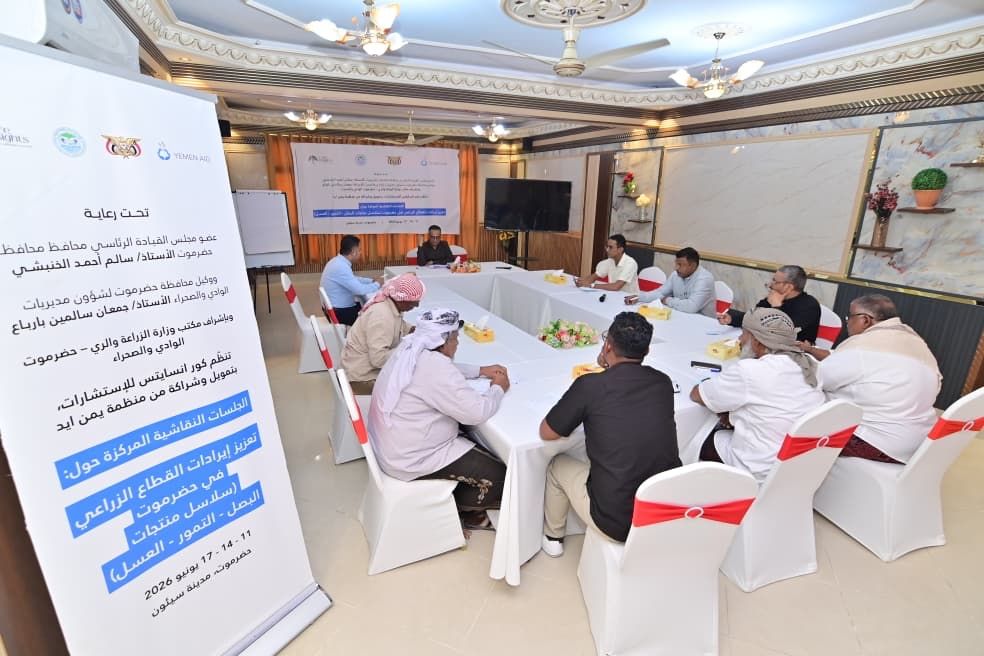
First focused discussion session under the Initiative of Developing Agricultural Revenues in Hadramout
The first focused discussion session under the Initiative of Developing Agricultural Revenues in Hadramout was launched in Seiyun. The project is implemented by Core Insights Consulting with funding from Yemen Aid, bringing together representatives from government institutions, the private sector, farmers, agricultural associations, and sector experts.
The inaugural session focused on the onion value chain, aiming to identify the key challenges and opportunities affecting production, marketing, and export, while exploring practical pathways to strengthen agricultural revenues and improve sector performance.
The findings and recommendations generated through these discussions will contribute to the development of evidence-based policy recommendations, which will be presented during the final workshop in July and shared with relevant stakeholders to support informed decision-making and sustainable sector development.
At Core Insights Consulting, we believe that sustainable economic development begins with a deep understanding of challenges and opportunities from the perspective of local stakeholders, and by transforming local knowledge into practical, actionable solutions that create lasting impact.
Strategic partnership with Yemen Aid to support efforts aimed at enhancing agricultural revenues in Hadramout
We are pleased to announce a strategic partnership between Core Insights Consulting and Yemen Aid to support efforts aimed at enhancing agricultural revenues in Hadramout.
Through this collaboration, the two organizations will work with main authorities to identify challenges and opportunities within the agricultural sector, facilitate evidence-based dialogue, and develop practical recommendations to strengthen agricultural value chains, improve revenue generation, and support sustainable local economic development.
This initiative reflects our shared commitment to fostering resilient livelihoods and unlocking the economic potential of Hadramout’s agricultural sector.
Together, we are working towards a more productive, sustainable, and prosperous agricultural future for Hadramout.

Launching Strategic Partnership to Advance Education and Workforce Development
Core Insights Consulting is proud to announce its partnership with Amideast/Yemen, strengthening joint efforts to expand opportunities in education, skills development, and workforce readiness across Yemen.